
Hair thinning affects millions of men and women across the UK, prompting many individuals to seek advanced restorative solutions. In coastal Dorset, medical aesthetics practitioners are pioneering dual-action protocols to combat thinning scalps. Many individuals booking PRP treatment for hairloss in Bournemouth are now finding that combining biological therapies with cosmetic pigmentation yields superior aesthetic outcomes. Platelet-Rich Plasma (PRP) stimulates dormant follicles, while Scalp Micropigmentation (SMP) replicates hair follicles to conceal exposed skin. By pairing these complementary methods, coastal clinics offer patients a comprehensive approach to hair restoration. This combined strategy targets both underlying follicular health and immediate visual density, delivering natural results without invasive surgical procedures.
Understanding PRP Therapy for Follicular Reactivation
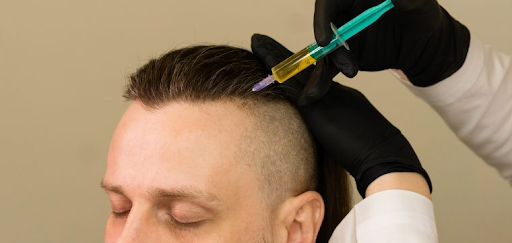
Platelet-Rich Plasma therapy relies on the body’s natural healing mechanisms to revitalise miniaturised hair follicles. Practitioners draw a small sample of the patient’s blood, place it in a centrifuge to separate growth factors, and inject the concentrated plasma directly into sparse areas of the scalp. Patients choosing PRP treatment for hairloss in Bournemouth benefit from a procedure that increases localised blood circulation and extends the active growth phase of existing hair strands.
The Science Behind Growth Factors
The concentrated platelets release active proteins that target weak follicles, encouraging thicker hair shaft production over successive months. Clinical trials demonstrate that regular sessions reduce shedding and increase hair count per square centimetre. However, PRP requires time to show visible changes. Biological regrowth typically emerges over three to six months as new hair cycles complete. Because plasma injections work beneath the skin surface, they do not provide immediate coverage for wide areas of visible scalp. For patients suffering from moderate thinning, this creates a temporary waiting period where hair remains noticeably sparse despite underlying cellular improvements. This lag between initial injections and noticeable growth is precisely why practitioners suggest pairing plasma sessions with complementary aesthetic techniques.
How SMP Delivers Instant Visual Density
Scalp Micropigmentation functions as a specialised medical cosmetic procedure that deposits micro-dots of pigment into the dermal layer of the scalp. Unlike traditional tattoos, this technique uses specialised equipment and natural pigments matched precisely to the patient’s natural hair shade and skin tone. Booking an SMP treatment in Bournemouth provides an immediate cosmetic solution for individuals wanting to disguise scalp show-through or diffuse thinning.
Replicating Natural Hair Follicles
By replicating thousands of natural hair follicles, SMP reduces the contrast between pale scalp skin and darker hair strands. This optical illusion creates the appearance of a fuller head of hair even before biological regrowth occurs. The process requires meticulous application by trained technicians who adjust dot size, density, and hue to mirror natural hair distribution patterns. SMP works exceptionally well for localised thinning, receding hairlines, or crown density restoration. While the treatment does not grow physical hair, it immediately eliminates the psychological impact of visible scalp exposure. Patients walk out of the clinic with instant visual results, providing a strong confidence boost while long-term biological therapies work silently beneath the surface.
The Synergy of Combining Plasma with Pigmentation
Integrating biological follicle stimulation with cosmetic shading addresses hair loss from two distinct angles simultaneously. When patients undergo PRP treatment for hairloss in Bournemouth alongside targeted micropigmentation, they receive both long-term health improvements and immediate visual enhancements. The dual protocol ensures that patients do not have to wait months to feel confident about their appearance.
Maximising Aesthetic Results
While PRP works internally to strengthen roots, thicken existing hair shafts, and reactivate dormant follicles, micropigmentation fills in the visual gaps that natural growth alone might not fully cover. Practitioners coordinating an SMP treatment in Bournemouth alongside plasma therapies carefully sequence the sessions. Typically, plasma injections prepare the scalp tissue by improving vascularisation and skin health, creating an optimal canvas for pigment retention. Subsequently, micropigmentation creates a dense background shade that enhances the overall perception of hair thickness.
- Dual-layer approach: Internal biological stimulation paired with external optical shading.
- Reduced treatment timeline: Immediate visual impact while waiting for biological growth cycles.
- Enhanced longevity: Healthy scalp tissue supports pigment stability over longer periods.
This combined approach ensures maximum satisfaction, as the physical presence of thicker real hair blends seamlessly with underlying cosmetic shading.
Ideal Candidates for Dual-Action Hair Restoration
Not every hair loss case requires a dual-treatment approach, but specific patient profiles benefit significantly from this joint protocol. Men and women experiencing diffuse thinning across the scalp represent prime candidates for combined therapies. Those scheduling an SMP treatment in Bournemouth often express frustration with traditional hair fibres or temporary concealer sprays that wash out in rain or seawater—a common concern in coastal locations.
Targeted Solutions for Diffuse Thinning
Individuals with stable pattern baldness who retain active hair follicles obtain the best outcomes. The plasma injections require viable follicles to reactivate, while micropigmentation requires existing surrounding hair to blend the micro-dots effectively.
- Early to moderate androgenetic alopecia: Restores natural hair strand thickness while masking thinning areas.
- Post-transplant patients: Enhances graft density appearance while promoting faster healing and graft survival.
- Female pattern hair loss: Provides subtle scalp shading without requiring aggressive surgical intervention.
Clinics assess candidate suitability during detailed consultations using trichoscopy tools to evaluate hair density and scalp health. By evaluating follicle viability alongside cosmetic goals, practitioners tailor treatment schedules that optimise both plasma efficacy and pigment placement for long-lasting, realistic results.
Treatment Protocols and Care Guidelines in Dorset Clinics
Executing a dual hair restoration plan requires careful scheduling and adherence to post-care protocols to avoid compromising treatment results. Clinics offering PRP treatment for hairloss in Bournemouth structure multi-week timelines that separate plasma injections from micropigmentation sessions. Giving the scalp adequate time to settle between procedures ensures proper tissue healing and pigment retention.
Structuring the Treatment Schedule
A typical plan begins with two to three PRP sessions spaced four weeks apart. This initial phase improves scalp vascularity and reduces ongoing hair shedding. Practitioners then allow the skin to stabilise before commencing SMP sessions, which usually require two or three visits spaced ten days apart. Patients must follow specific aftercare instructions to protect their investment.
- Avoid strenuous exercise: Refrain from heavy sweating for 48 hours post-procedure to protect scalp skin.
- Sun protection: Wear a hat or apply non-comedogenic SPF to prevent pigment fading and scalp irritation.
- Gentle cleansing: Use mild, sulfate-free shampoos to maintain skin pH and support scalp healing.
Following these practitioner guidelines preserves both the biological health of revitalised hair roots and the clarity of cosmetic scalp pigments over several years.
Final Thoughts
Combining biological growth therapies with advanced cosmetic shading represents a modern, effective approach to managing hair loss. Bournemouth clinics leading this dual-treatment method give patients the advantage of immediate cosmetic density alongside progressive natural hair reactivation. By choosing a tailored strategy that pairs plasma injections with scalp micropigmentation, individuals achieve natural-looking fullness without surgery or lengthy downtime. If thinning hair impacts your confidence, consulting with experienced Dorset hair restoration specialists can help determine if a combined protocol suits your hair density goals. Investing in both scalp health and visual shading provides a comprehensive, durable solution for long-term confidence.
