
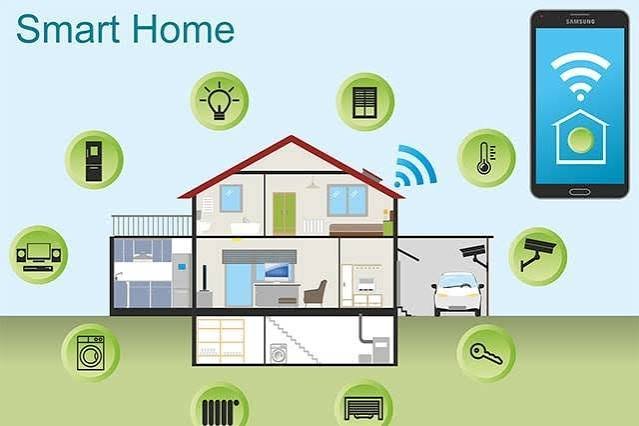
Buying your first home is exciting, but it also comes with a long list of decisions—and smart home technology is quickly becoming one of them. From thermostats that learn your schedule to locks you can control from your phone, smart devices offer real convenience and savings. This post walks you through the essentials of smart home planning, from setting priorities to choosing the right devices, so you can build a connected home that actually works for your lifestyle.
Getting Started with Smart Home Planning
Before you buy a single gadget, take a step back and think about what you actually need. Are you most interested in saving on energy bills? Keeping an eye on your property while you’re away? Or simply making daily routines easier? Identifying your priorities will help you avoid impulse purchases that end up collecting dust.
Budget matters too. Smart home planning doesn’t have to happen all at once. Many first-time homeowners start with one or two devices and expand over time as their needs—and budgets—allow. This phased approach also gives you room to learn what works best in your space before committing to a full setup.
One more thing to check early on: compatibility. Not all smart devices speak the same “language,” so understanding how your chosen gadgets will work together (or won’t) can save you a lot of frustration down the line.
Essential Smart Home Devices for First-Time Buyers
If you’re not sure where to begin, a few categories of devices offer the most value for new homeowners.
Smart thermostats are a popular starting point. They learn your schedule and adjust heating and cooling automatically, which can lead to noticeable energy savings over time.
Smart lighting systems let you control brightness, schedules, and even color from an app or voice command. Beyond convenience, they can help cut down on wasted electricity.
Smart security cameras and door locks give you peace of mind, whether you’re checking in on your home from work or letting in a guest remotely.
Smart speakers often serve as the control hub for your whole setup, letting you manage multiple devices with simple voice commands.
Together, these devices form a strong foundation for anyone just starting their smart home planning journey.
Planning Your Smart Home Network
A smart home is only as reliable as the network behind it. Start by evaluating your home’s WiFi coverage—dead zones in certain rooms can cause connected devices to lag or drop offline entirely.
You’ll also want to understand the differences between WiFi, Bluetooth, and Zigbee technologies, since each has its own range, speed, and compatibility considerations. WiFi devices are generally easiest to set up, while Zigbee and Bluetooth can offer more stability for larger device networks.
Finally, think ahead. Your smart home setup today might look very different a year from now, so planning for scalability from the start will save you headaches as you add more devices.
Installation and Setup Tips
Once you’ve chosen your devices, it’s time to think about installation. Some products are designed for simple DIY setup, while others—especially more complex security or wiring-based systems—may benefit from professional installation.
If you’re installing devices yourself, always follow the manufacturer’s guidelines closely. Skipping steps can lead to connectivity issues or reduced performance down the line.
For those who want expert guidance without the guesswork, Sound Effects AV offers professional installation services tailored to first-time homeowners navigating smart home planning. Their team can help ensure your devices are set up correctly from day one, reducing trial and error.
Whichever route you choose, test each device thoroughly before relying on it for daily use. A quick trial run can catch issues before they become a frustration.
Making Your Home Automation Work for You
The real magic of smart home planning happens once everything is connected. Creating automation routines—like lights turning on at sunset or the thermostat adjusting when you leave for work—can make your home feel truly responsive to your lifestyle.
It’s also worth keeping an eye on energy usage data many smart devices provide. Small adjustments based on this information can add up to meaningful savings over time.
Lastly, don’t overlook privacy and security. Keep device software updated and use strong, unique passwords to protect your connected home from potential vulnerabilities.
Start Small, Build Confidence
Smart home planning doesn’t need to be overwhelming. By assessing your needs, choosing the right devices, and building your network thoughtfully, first-time homeowners can create a connected home that grows with them. Start with one or two devices, learn as you go, and expand at your own pace. With a little patience, you’ll have a smart home that fits your life—not the other way around.

1 Comment
Pingback: Battersea Electricians: Expert Advice