

Why Packing Matters on a Tanzania Self Drive Safari
Packing for a Tanzania self drive safari is a different game from packing for a guided trip. Nobody loads your bags into a lodge vehicle, and nobody carries a toolkit for you. You’re the driver, the navigator and, when something rattles loose on a rough track, the mechanic too.
Add dust, big temperature swings between dawn and midday, long stretches with no shops, and camps where the power can be patchy, and a careless bag turns into a daily annoyance. The trick is balance. Bring enough clothing to stay comfortable, enough kit to deal with a flat tyre, and enough personal supplies to cope far from town, without stuffing the boot so full that you can’t find anything. This guide covers documents, clothing, health items, vehicle gear, electronics, food, and the mistakes people make most often. A full checklist sits near the end.
Essential Documents and Travel Requirements
Passport, Visa, and Identification
Start with your passport and check the validity dates well before you fly. Sort out your visa in advance too, because rules change and you don’t want to be figuring it out at the airport. Pack your home driving licence, and ask your rental company whether an international driving permit is needed for your licence type. Keep the rental agreement, insurance papers and emergency numbers together in one folder.
Safari Booking and Travel Documents
Print your accommodation confirmations, park entry arrangements and day-by-day itinerary, then save copies on your phone as well. Signal disappears fast in remote areas, so offline copies matter. Write down the phone numbers for your rental company and every lodge or camp on your route, and keep that list somewhere you can grab it without unpacking half the car.
Clothing to Pack for Tanzania’s Safari Conditions
Lightweight Clothing for Warm Days
Breathable shirts, comfortable trousers and quick-drying fabrics will serve you better than anything fancy. Neutral shades like khaki, olive, brown and beige hide the dust nicely. Throw in a couple of long-sleeved shirts as well. They protect your arms from the sun while you’re driving, and they’re handy once the evening bugs come out.
Warm Layers for Cool Mornings and Evenings
Mornings can be properly chilly, especially on early game drives and in higher areas. A fleece, a light sweater and a wind-resistant jacket will cover most situations. Layers beat one heavy coat, since you can peel them off as the day heats up.
Footwear and Accessories
Pack comfortable walking shoes, a pair of sandals for camp, a sun hat and decent sunglasses. Extra socks are cheap and surprisingly welcome after a dusty day. Resist the urge to bring a different outfit for every occasion. Overpacked bags are a pain to shuffle in and out of a vehicle, and you’ll end up wearing the same few favourites anyway.
Tanzania Safari Packing Checklist: Health, Sun Protection, and Personal Care
Sun Protection and Hydration
The equatorial sun is strong, even when the air feels cool. Bring sunscreen, lip balm, sunglasses and a wide-brimmed hat. Carry a reusable water bottle and keep it within reach while you drive, because dehydration sneaks up on you during long days behind the wheel.
First-Aid Kit and Personal Medication
Pack your prescription medicines, a basic first-aid kit and motion-sickness tablets if bumpy roads bother you. Insect repellent and your usual hygiene items belong on the list too. Keep your medical and travel insurance details handy in case you need to call someone in a hurry.
Health Preparation Before Departure
Talk to a qualified travel-health professional before you go. They can advise on vaccinations, malaria prevention and other precautions for your specific route. Keep essential medicines in your hand luggage, not in a checked bag that might go astray.
What to Pack for Your Safari Vehicle
Vehicle Recovery and Emergency Equipment
Know what’s in the car before you leave the rental yard. At minimum you want a spare tyre, a jack, wheel-changing tools and warning equipment. A tyre pressure gauge and an inflator are worth having, and recovery gear may make sense depending on your route. Add a torch, a few basic repair supplies and a simple roadside emergency kit.
Navigation and Communication
Download offline maps before you head into the parks, and bring charging cables and a power bank. A paper map is old-fashioned, but it won’t run out of battery. Keep the rental company’s breakdown procedure and emergency numbers somewhere obvious.
Choosing the Right Rental Vehicle
Rental vehicles aren’t all kitted out the same way, so confirm the supplied equipment, spare tyres, fuel arrangements and roadside assistance before you sign. It also pays to check that the vehicle suits your plans. If your route includes rougher tracks, look into a 4×4 Tanzania car rental and ask the provider whether the car is right for the roads and conditions you expect.
Photography Equipment and Electronics for Wildlife Viewing
Cameras, Binoculars, and Accessories
A camera with a telephoto lens, if you have one, makes a big difference with distant animals. Binoculars are just as useful and much easier to share. Carry spare batteries and memory cards, and store everything in a dust-resistant bag.
Charging and Power Management
Bring a power bank, the right plug adapters and a cable for charging in the vehicle. Don’t assume every camp has reliable sockets, so ask the lodge beforehand. Keep your gear out of direct heat and cushioned against the bouncing of rough roads.
Food, Water, and Useful Supplies for Long Driving Days
Safari Snacks and Drinking Water
Pack snacks and refillable bottles for the stretches between towns, and check what meals your accommodation provides. Shops can be few and far between once you leave a major town, so stock up before you go.
Small Items That Make Travel Easier
Wet wipes, tissues, hand sanitiser, rubbish bags and a compact daypack earn their space. Reusable bags keep dusty clothes away from clean ones. Keep the vehicle tidy, and never leave food or rubbish where wildlife can reach it.
Packing for Different Tanzania Safari Destinations and Seasons
Serengeti National Park and Ngorongoro Conservation Area
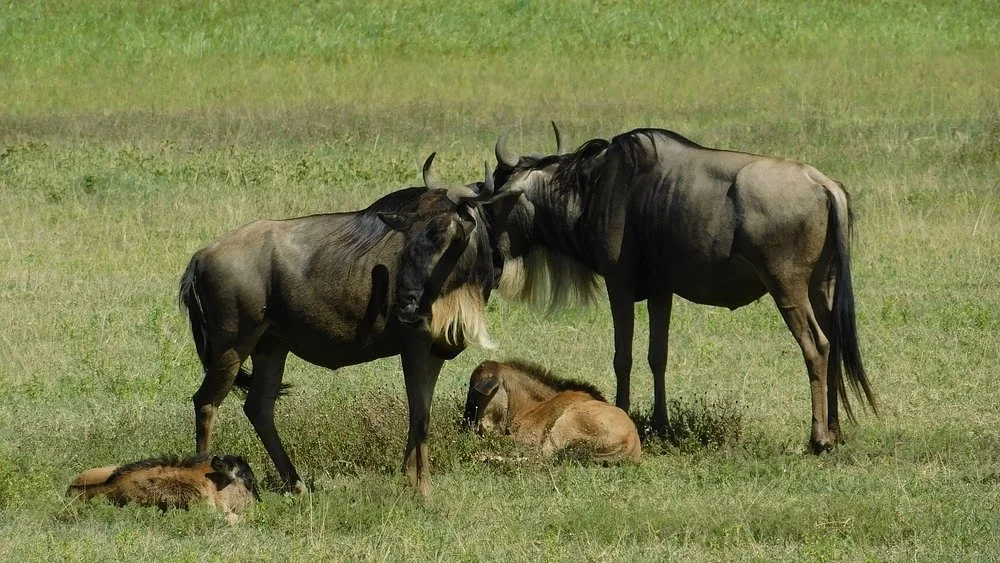
Early game drives here can be cold, so keep layers within easy reach. Sun protection and dust-friendly clothes are a must. Distances between your lodge and the best wildlife areas can be long, which means water and snacks should ride with you.
Tarangire National Park and Lake Manyara
Go lighter here: breathable clothing, binoculars, plenty of water and something to protect your camera from dust. Think about road conditions and how long each drive will take before deciding what goes in your daypack.
Dry Season and Rainy Season Considerations
In the dry season, breathable clothes plus a warm layer for mornings usually do the job. If rain is likely, add a lightweight rain jacket, waterproof bags and quick-drying clothing. Conditions vary from year to year, so check the forecast shortly before departure.
Packing for a Self-Drive Safari Beyond Tanzania
Preparing for a Kenya Self-Drive Safari
Thinking of adding Kenya? Check border-crossing permissions, vehicle documents, insurance cover and entry requirements first. Many people simply arrange a separate Kenya car rental rather than cross a border with one vehicle, so compare both options with the company before booking.
What to Consider for Self-Driving in Kenya
Plan your routes carefully, keep offline navigation ready and carry the same emergency kit you’d bring in Tanzania. Confirm each park’s rules before you arrive. For rougher routes, a 4×4 self drive Kenya setup is worth discussing with the rental provider.
Extending the Journey to Rwanda
Rwanda works the same way: advance checks beat surprises at the border. Confirm vehicle permissions, insurance, border paperwork and local driving requirements well ahead of time. Many travellers find it easier to pick up a separate Rwanda car rental, or to ask whether the company approves cross-border use. Pack as you would for Kenya, with documents, offline maps, emergency kit and warm layers for cooler highland mornings, and confirm park rules and entry arrangements before you go.
How to Pack Light Without Forgetting Important Items
Use a Practical Safari Packing System
Sort clothes, toiletries, electronics and vehicle gear into separate labelled bags. Keep your documents, medication and water where you can reach them without digging.
Avoid Common Packing Mistakes
The usual culprits are too much luggage, the wrong shoes, weak sun protection and relying on mobile internet. Ask the rental company about luggage limits and storage space before you leave.
Master Packing Checklist
Documents
- ☐ Passport and visa
- ☐ Driving licence and international driving permit, if needed
- ☐ Rental agreement and insurance papers
- ☐ Printed and offline itinerary, bookings and park entry details
- ☐ Emergency contacts for the rental company and lodges
Clothing and Footwear
- ☐ Breathable shirts and trousers in neutral colours
- ☐ Long-sleeved shirts
- ☐ Fleece, light sweater and wind-resistant jacket
- ☐ Walking shoes, sandals and extra socks
- ☐ Sun hat and sunglasses
- ☐ Lightweight rain jacket, if rain is likely
Health and Personal Care
- ☐ Sunscreen and lip balm
- ☐ Prescription medicines in hand luggage
- ☐ First-aid kit and motion-sickness remedies
- ☐ Insect repellent and hygiene items
- ☐ Medical and travel insurance details
Vehicle and Navigation
- ☐ Spare tyre, jack and wheel tools
- ☐ Tyre pressure gauge and inflator
- ☐ Torch, basic repair supplies and warning equipment
- ☐ Offline maps, paper map and phone mount or holder
- ☐ Rental company breakdown details
Electronics and Photography
- ☐ Camera, telephoto lens and binoculars
- ☐ Spare batteries and memory cards
- ☐ Power bank, adapters and vehicle charging cables
- ☐ Dust-resistant camera bag
Food, Water, and Extras
- ☐ Reusable water bottles and snacks
- ☐ Wet wipes, tissues and hand sanitiser
- ☐ Rubbish bags and reusable storage bags
- ☐ Compact daypack
Frequently Asked Questions About Packing for a Tanzania Self Drive Safari
What clothes should I pack for a Tanzania self-drive safari?
Breathable, neutral-coloured clothes, a long-sleeved shirt, a fleece for cool mornings, a hat and comfortable shoes.
Do I need a 4×4 vehicle for a Tanzania safari?
It depends on your route and the season. Ask your rental company which vehicle suits your plans.
What essential documents should I carry while driving in Tanzania?
Your passport, driving licence, any permit the rental company requires, the rental agreement and insurance papers.
Should I bring binoculars and a camera on safari?
Yes. Binoculars help with distant animals, and a camera captures the trip.
What should I pack for a Tanzania safari during the rainy season?
A lightweight rain jacket, waterproof bags and quick-drying clothing.
Conclusion: Prepare Well for a More Comfortable Safari
Good packing comes down to practical clothing, the right documents, health supplies, navigation tools and a well-equipped vehicle. Match your list to your itinerary, accommodation, season and rental arrangements, then check local conditions and rental requirements before you set off. A little preparation makes the drive far more relaxing.
READ ALSO: Why Visual Identity Matters in Commercial Interiors
