
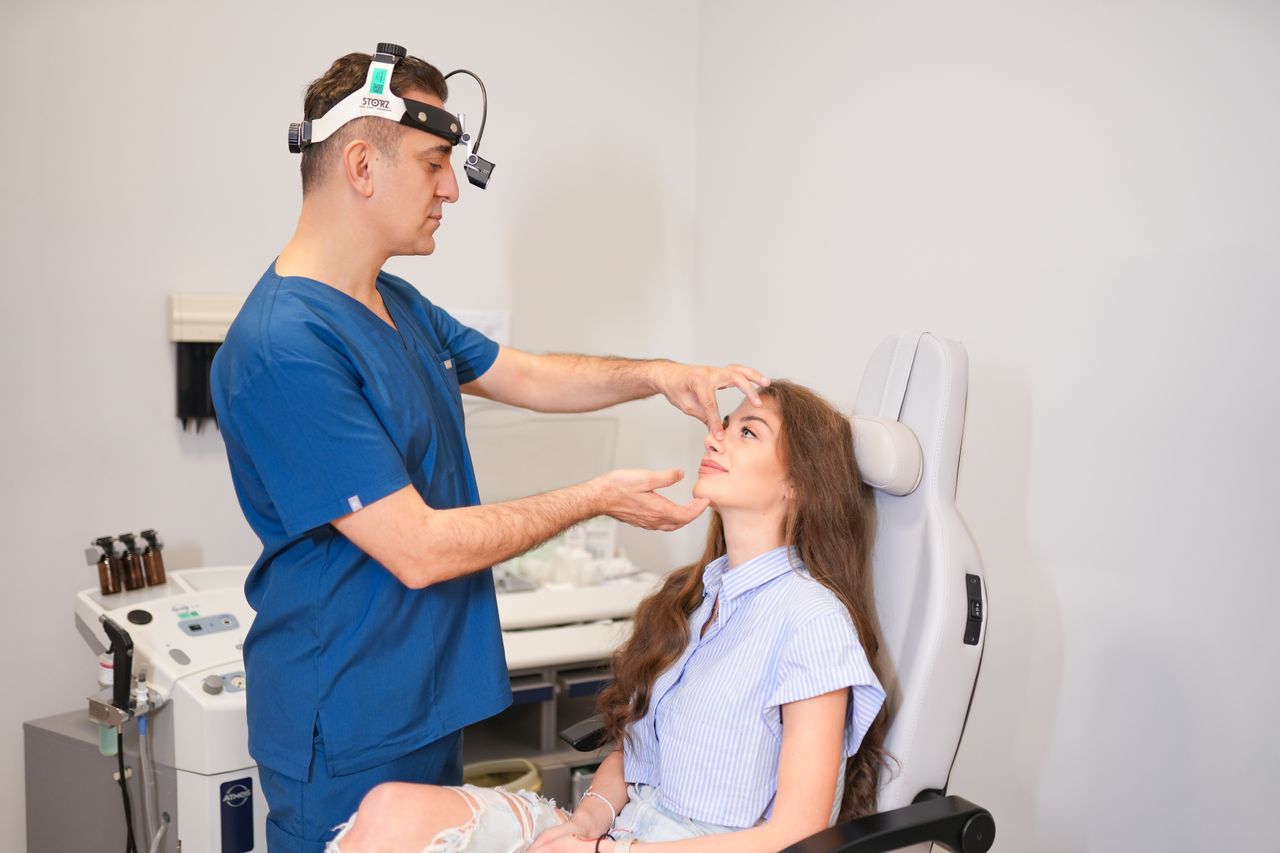
Rhinoplasty is one of the most requested procedures among UK patients going abroad, and Turkey has built a huge reputation for it. Social media is packed with dramatic nose job transformations from Istanbul clinics. But the nose is one of the most complex areas of the face to operate on. Small errors can affect both appearance and breathing, and revision rhinoplasty is famously difficult and expensive. Choosing a clinic based on a viral video can leave patients with results they did not expect and very limited support once they are home.
The better approach is to judge a rhinoplasty provider on the things that really decide your outcome: the surgeon’s experience, a detailed consultation, realistic planning and dependable follow-up. If your research began with plastic surgery turkey clinics, this guide will help you compare them fairly with Poland, where UK patients can see an experienced English-speaking surgeon just a short flight away.
Why Rhinoplasty Needs Extra Care
Unlike many cosmetic procedures, rhinoplasty affects both form and function. A good surgeon must balance:
- Shape and proportion in relation to your other facial features
- Breathing, including the septum and internal nasal valves
- Skin thickness, which affects how refined the result can look
- Ethnic and personal features that you may want to keep
- Long-term stability, since the nose keeps settling for up to a year
This complexity is why experience and careful planning matter so much.
Types of Rhinoplasty Explained
Not every nose job is the same operation. Understanding the options helps you have a better conversation with your surgeon:
- Open rhinoplasty: a small incision across the skin between the nostrils gives the surgeon a clear view. It is often used for complex reshaping.
- Closed rhinoplasty: all incisions are inside the nose, leaving no visible external scar. It suits some less complex changes.
- Septorhinoplasty: combines reshaping with straightening the septum to improve breathing.
- Tip rhinoplasty: focuses on refining or lifting the nasal tip only.
- Hump reduction: smooths a bump on the bridge of the nose.
A skilled surgeon will recommend the technique that fits your anatomy and goals, rather than using the same approach for everyone.
Are You a Good Candidate?
Rhinoplasty tends to work best for people who:
- Are adults whose facial growth has finished
- Are in good general health and do not smoke, or are willing to stop
- Have specific, realistic goals rather than wanting someone else’s nose
- Understand that final results take many months to appear
If you have breathing problems, mention them early. Fixing function and appearance in one operation is often possible, but it needs planning.
The Turkey Rhinoplasty Boom
Istanbul has become known as a rhinoplasty capital, and there are many skilled surgeons there. At the same time, demand has attracted a large number of clinics competing on price and marketing. Concerns include:
- Very short consultations, sometimes on the day of surgery
- A one-size-fits-all look that may not suit every face
- Limited follow-up once swelling settles and final results appear
- Language barriers when discussing breathing problems or detailed goals
Because final rhinoplasty results can take 12 months to appear, ongoing access to your surgeon is especially important.
Rhinoplasty in Poland
Europe Surgery’s partner clinic in Wroclaw offers rhinoplasty from £2,680 (2026 starting price). Dr Adam Kalecinski discusses your goals personally in English, so you can go through photos, breathing concerns and the technique he recommends in proper detail. Patients stay nearby during the first week, when the splint is usually removed, and can then attend follow-ups at the UK aftercare clinic as the nose settles over the following months.
The Rhinoplasty Recovery Timeline
- Days 1–7: Swelling and bruising around the nose and eyes; a splint is usually worn
- Around day 7: Splint and any external stitches are typically removed
- Weeks 2–3: Most bruising fades and many people return to desk work
- Weeks 4–6: You can usually return to more activity, as advised
- Months 3–12: Remaining swelling settles and the final shape appears
Your surgeon will give you a personalised plan. Avoid flying until they confirm it is safe.
Questions to Ask Your Rhinoplasty Surgeon
- How many rhinoplasties do you perform each year?
- Can I see before-and-after photos of noses similar to mine?
- Will you address my breathing as well as appearance?
- Do you recommend an open or closed technique for me, and why?
- What result is realistic for my skin type and features?
- How do I contact you during the 12-month settling period?
- What is your policy if a revision is needed?
Revision Rhinoplasty: Why Getting It Right First Matters
Revision rhinoplasty is one of the hardest operations in cosmetic surgery. Scar tissue, reduced cartilage and altered anatomy make second attempts more complex and costly. Many UK surgeons report seeing patients who need repairs after nose jobs abroad. Choosing an experienced surgeon with proper follow-up from the start is the best way to avoid ever needing one.
Rhinoplasty FAQs
Will my nose look swollen when I fly home? Usually, yes. Some swelling and bruising is normal for the first couple of weeks, so plan time off work and social events accordingly.
Can rhinoplasty fix breathing problems? Often it can, especially when a deviated septum is corrected at the same time. Mention any breathing difficulty at your consultation.
Is the result permanent? The structural changes are permanent, although your nose will continue to age naturally with the rest of your face.
How soon can I wear glasses? This depends on the work done. Your surgeon will advise when it is safe to rest glasses on the bridge again.
Tips for a Smoother Rhinoplasty Trip
- Bring photos of the look you like, but stay open to your surgeon’s advice
- Pack button-up tops so you do not pull clothes over your face
- Allow at least a week near the clinic, or as your surgeon advises
- Avoid blowing your nose, heavy lifting and strenuous exercise until cleared
- Sleep with your head raised to reduce swelling
- Avoid resting glasses on your nose until your surgeon says it is fine
- Use sun protection on your nose for several months
Conclusion
Your nose sits at the centre of your face, so this is not a decision to rush or base on a viral video. Choose a surgeon who listens, explains the technique and stays with you through the full year of healing. Before booking through cosmetic surgery turkey providers, ask whether they can offer that, and compare their answer with an EU-regulated option in Poland.
READ ALSO: What the Best Hands Free Breast Pump Adds Beyond Basic Wearables

1 Comment
Pingback: Everest Base Camp Helicopter Tour