
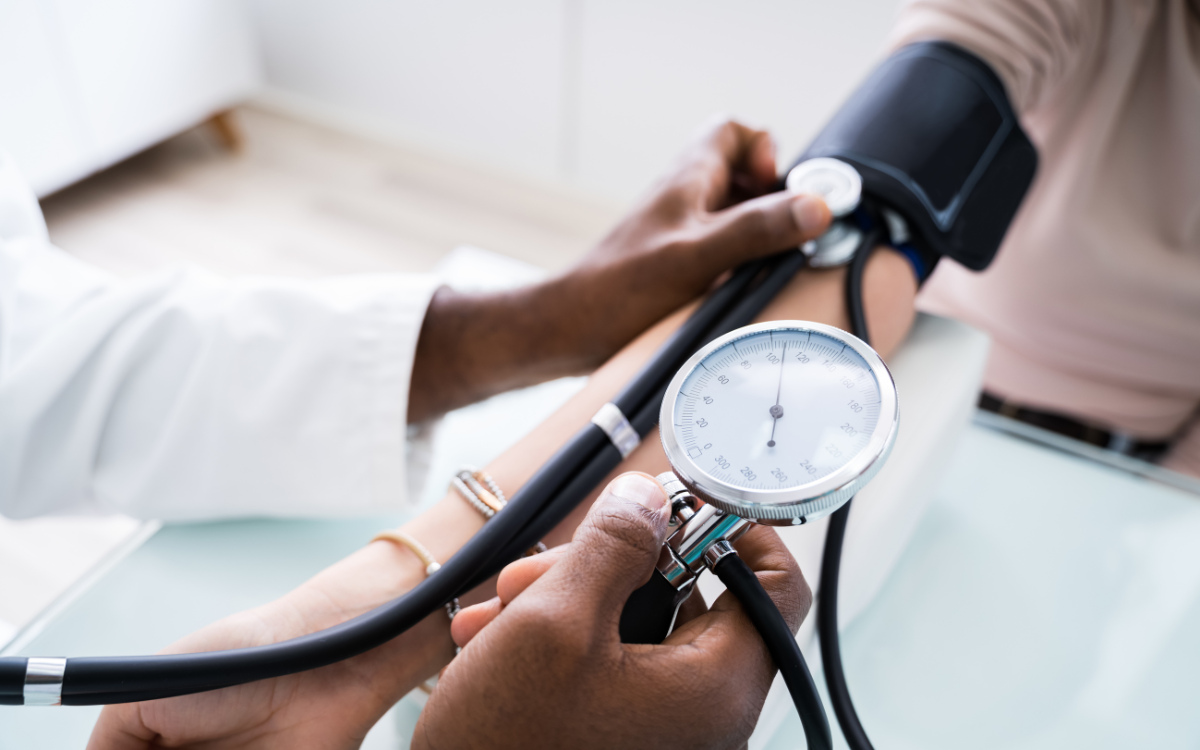
Winter can be a difficult season for older adults, especially those living with high blood pressure, heart conditions, limited mobility, diabetes, or other chronic health concerns. Cold temperatures can affect circulation, increase blood pressure, worsen joint stiffness, and make everyday activities more challenging.
For families caring for aging parents or grandparents, winter is an important time to pay closer attention to medication routines, hydration, mobility, nutrition, indoor temperature, and blood pressure monitoring.
Professional home nursing and home care can also provide additional support for seniors who need regular health monitoring or assistance with daily activities during colder months.
Why Winter Can Be Challenging for Seniors
Older adults are generally more sensitive to temperature changes because the body’s ability to regulate heat may decline with age. Seniors may also have medical conditions or take medications that affect circulation and body temperature.
During winter, seniors may face an increased risk of:
- High blood pressure
- Reduced circulation
- Respiratory infections
- Dehydration
- Joint pain and stiffness
- Falls and mobility problems
- Reduced physical activity
- Seasonal isolation
- Difficulty managing chronic conditions
People with hypertension require particular attention because colder temperatures can affect the cardiovascular system.
How Cold Weather Affects Blood Pressure
When the body is exposed to cold temperatures, blood vessels naturally narrow to reduce heat loss. This process, known as vasoconstriction, can increase resistance within the blood vessels.
As a result, the heart may need to work harder to circulate blood throughout the body.
For seniors who already have hypertension, this seasonal change can contribute to higher blood pressure readings.
Blood pressure may also fluctuate because of reduced activity, dietary changes, stress, medication routines, or underlying health conditions.
Regular monitoring becomes especially important during winter.
1. Monitor Blood Pressure Regularly
Seniors with hypertension should continue checking their blood pressure according to their doctor’s recommendations.
Keeping a simple blood pressure log can help families and healthcare professionals identify unusual changes.
Record:
- Systolic blood pressure
- Diastolic blood pressure
- Pulse rate
- Date and time
- Any unusual symptoms
- Medication timing, if relevant
Consistent readings provide a clearer picture than an occasional measurement.
With professional home nursing, a trained nurse can help monitor vital signs, document changes, and communicate concerns to the family or treating physician when appropriate.
2. Keep the Home Warm and Comfortable
A comfortably heated indoor environment is particularly important for elderly people.
Cold bedrooms, bathrooms, or sitting areas may expose seniors to sudden temperature changes. Families should check rooms that seniors use frequently and ensure they are adequately warm.
Helpful measures include:
- Keeping doors and windows properly sealed
- Using appropriate warm clothing indoors
- Wearing socks or slippers
- Using blankets when resting
- Avoiding sudden transitions from a very warm room to a cold outdoor environment
Seniors should also avoid sitting close to unsafe heating equipment or open flames, particularly if they have limited mobility or cognitive impairment.
3. Dress in Layers Before Going Outside
When going outdoors, seniors should wear several comfortable layers rather than relying on one heavy garment.
Consider:
- Thermal or warm inner clothing
- Sweaters
- Winter coats
- Gloves
- Socks
- Closed shoes
- Scarves
- Caps or warm head coverings
Covering exposed skin helps reduce heat loss.
For seniors receiving home care services, caregivers can help ensure appropriate clothing is selected before appointments, walks, family visits, or outdoor activities.
4. Do Not Stop Blood Pressure Medication Without Medical Advice
Some seniors may change medication schedules because they feel better, experience side effects, forget doses, or believe their blood pressure has improved.
Hypertension medications should not be stopped, reduced, or changed without consulting the prescribing healthcare professional.
Families can help by maintaining:
- A medication schedule
- Pill organizers
- Medication reminders
- Updated prescription lists
- Regular physician follow-ups
Professional caregivers or home nurses can also support medication reminders and help families notice when doses are frequently being missed.
5. Stay Hydrated Even When You Do Not Feel Thirsty
People often associate dehydration with hot weather, but it can also happen during winter.
Seniors may drink less water because they feel less thirsty when temperatures drop. Indoor heating can also contribute to dry conditions.
Encourage regular fluid intake throughout the day unless the senior has been advised by a healthcare professional to restrict fluids.
Options may include:
- Water
- Warm water
- Soups
- Milk
- Herbal beverages
- Other physician-approved fluids
Hydration requirements may differ for seniors with kidney disease, heart failure, or other medical conditions, so individual medical advice should always be followed.
6. Maintain a Heart-Friendly Winter Diet
Winter comfort foods are often high in salt, saturated fat, or sugar. Excessive sodium intake can contribute to poor blood pressure control in some people.
Try to include balanced meals containing:
- Fresh vegetables
- Seasonal fruits
- Whole grains
- Lentils and beans
- Lean proteins
- Healthy fats
- Low-sodium food choices
Packaged soups, processed meats, salty snacks, sauces, pickles, and heavily processed foods may contain large amounts of sodium.
Reading nutrition labels and preparing meals at home can make sodium intake easier to control.
7. Encourage Safe Physical Activity
Cold weather often reduces physical activity because seniors spend more time indoors.
However, remaining inactive for long periods may contribute to reduced mobility, muscle weakness, stiffness, and poorer cardiovascular health.
Depending on the senior’s health and physician recommendations, suitable activities may include:
- Indoor walking
- Gentle stretching
- Chair exercises
- Light strengthening exercises
- Physiotherapy exercises
- Short supervised outdoor walks when weather conditions are suitable
Seniors with balance problems, heart disease, severe arthritis, or recent surgery should follow an exercise plan recommended by their healthcare provider.
8. Reduce the Risk of Falls
Winter clothing, cold floors, low activity levels, joint stiffness, dizziness, and poor lighting can increase fall risk.
Families should inspect the home for common hazards.
Make sure:
- Hallways are well lit
- Rugs do not slide
- Electrical cords are kept away from walking areas
- Bathrooms have appropriate support
- Floors remain dry
- Frequently used items are easily accessible
- Seniors wear secure, non-slip footwear
A home care professional can also assist seniors while walking, bathing, dressing, or moving between rooms when mobility support is needed.
9. Watch for Respiratory Problems
Cold weather may worsen respiratory symptoms in seniors with conditions such as asthma or chronic lung disease.
Seasonal infections can also become more serious in older adults.
Watch for symptoms such as:
- Persistent coughing
- Wheezing
- Shortness of breath
- Fever
- Unusual weakness
- Chest discomfort
- Reduced appetite
- Confusion or sudden behavioural changes
Any serious or rapidly worsening breathing difficulty requires prompt medical attention.
10. Protect Seniors From Sudden Temperature Changes
Moving suddenly from a warm room into very cold air can place additional stress on the cardiovascular system.
Before going outside, seniors should dress warmly and allow their bodies time to adjust.
Outdoor activities should also be limited during unusually cold weather, particularly for seniors with:
- Uncontrolled hypertension
- Heart disease
- Respiratory conditions
- Reduced mobility
- History of stroke
- Other serious chronic conditions
Families should follow the recommendations of the senior’s healthcare professional.
11. Keep Regular Medical Appointments
Winter should not become a reason to postpone important health monitoring.
Seniors with chronic medical conditions may still need regular appointments for:
- Blood pressure management
- Diabetes monitoring
- Medication reviews
- Heart conditions
- Respiratory conditions
- Physiotherapy
- Wound care
- General health assessments
When traveling to clinics becomes difficult, families may explore appropriate Home Nursing or doctor-at-home services where available.
12. Pay Attention to Mental and Emotional Well-Being
Winter can reduce social interaction, particularly for seniors who already have limited mobility.
Long periods indoors may contribute to loneliness, boredom, or reduced motivation.
Families can help seniors remain socially connected through:
- Regular family visits
- Phone or video calls
- Indoor hobbies
- Religious or community activities
- Safe social gatherings
- Light exercise
- Reading
- Games and puzzles
For seniors living alone, regular home care visits can provide both practical assistance and valuable social interaction.
Warning Signs Families Should Not Ignore
Families should seek appropriate medical advice when a senior experiences significant or unusual symptoms.
Concerning symptoms may include:
- Very high or unusually low blood pressure readings
- Severe headache
- Chest pain
- Difficulty breathing
- Sudden weakness
- Dizziness or fainting
- New confusion
- Difficulty speaking
- Sudden vision changes
- Severe fatigue
- Loss of balance
Chest pain, severe breathing problems, symptoms of stroke, or loss of consciousness should be treated as medical emergencies.
How Home Nursing Can Help Seniors During Winter
Winter health management can become difficult when a senior has multiple medical conditions or requires ongoing monitoring.
Professional Home Nursing can provide structured support inside the senior’s home.
Depending on the care plan and provider, home nursing services may include:
- Blood pressure monitoring
- Pulse and oxygen saturation checks
- Blood sugar monitoring
- Medication support
- Wound care
- Mobility assistance
- Health observation
- Chronic condition monitoring
- Post-hospital recovery support
- Communication with family members
For seniors who need help primarily with daily activities rather than medical procedures, home care may provide assistance with hygiene, mobility, companionship, meals, appointments, and everyday routines.
Home Nursing vs Home Care: Which Does a Senior Need?
The right service depends on the senior’s medical condition and level of independence.
Home Nursing is generally more appropriate when a senior requires clinical monitoring or skilled nursing procedures.
Home care is usually suitable when the main need involves daily living assistance, companionship, mobility support, hygiene, or supervision.
Some seniors may benefit from a combination of both services.
A professional assessment can help families determine the appropriate level of care.
Creating a Winter Care Plan for an Elderly Parent
A simple winter health plan can help families stay organized.
Consider including:
- Regular blood pressure monitoring
- Medication reminders
- Adequate heating
- Warm clothing
- Balanced meals
- Proper hydration
- Safe daily movement
- Fall prevention
- Routine health appointments
- Regular communication with family members
- An emergency contact plan
- Professional Home Nursing or home care when additional support is required
Planning ahead is particularly valuable for families who do not live with their elderly parents.
Frequently Asked Questions
Does blood pressure increase during winter?
Blood pressure can increase in colder weather because low temperatures cause blood vessels to narrow. The effect may be more noticeable in older adults and people who already have hypertension.
How often should seniors check their blood pressure in winter?
The appropriate frequency depends on the person’s medical history and physician’s recommendations. Seniors with hypertension may need more consistent monitoring, particularly if their readings frequently change.
Is cold weather dangerous for elderly people with hypertension?
Cold temperatures can place additional strain on the cardiovascular system. Seniors with hypertension should stay warm, take prescribed medication consistently, monitor their blood pressure, and follow their healthcare provider’s advice.
Can home nursing help with hypertension management?
Yes. Depending on the care plan, Home Nursing can support blood pressure monitoring, medication routines, vital-sign checks, health observation, and communication with family members and healthcare professionals.
What is the difference between home nursing and home care?
Home nursing typically involves clinical support provided by trained nursing professionals, while home care generally focuses on daily living support such as mobility, hygiene, meals, supervision, companionship, and routine assistance.
Final Thoughts
Winter requires additional planning for seniors, particularly those living with hypertension or other chronic medical conditions.
Regular blood pressure monitoring, medication adherence, adequate heating, hydration, balanced nutrition, safe physical activity, and fall prevention can all help seniors manage the colder months more safely.
Families should also pay attention to changes in a senior’s physical condition, mobility, appetite, breathing, mood, and daily routine.
When family support alone is not enough, professional home nursing or home care can provide additional monitoring and assistance while allowing seniors to continue living comfortably in familiar surroundings.
Early preparation and consistent care can make winter safer, healthier, and more manageable for older adults.
