
Introduction
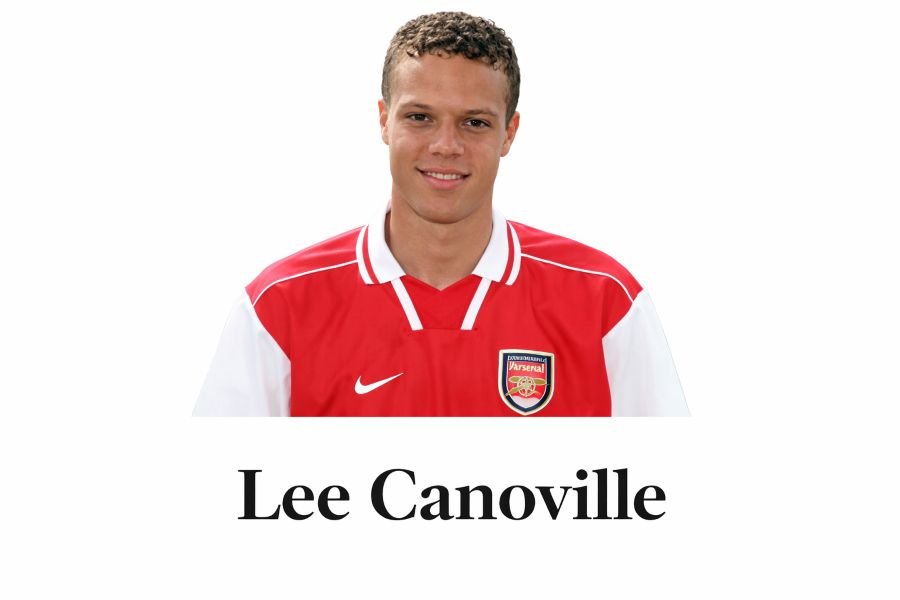
Lee Canoville, also known as Leroy Paul Canoville, is an English coach and former footballer whose career reflects both determination and reality in professional football. While he did not reach global superstardom, his journey across top academies and lower leagues highlights the resilience required to survive in the sport. His story is powerful because it combines ambition with the challenges that many players face but few openly discuss.
From starting at one of England’s biggest clubs to building a meaningful coaching career, Lee Canoville’s path shows both the highs and the struggles of football life. His experiences continue to inspire young players who aim to turn passion into a profession.
Quick Bio
| Category | Details |
|---|---|
| Full Name | Leroy Paul Canoville |
| Known As | Lee Canoville |
| Date of Birth | 14 March 1981 |
| Age | 43 (as of 2026) |
| Birthplace | Ealing, London, England |
| Nationality | English |
| Profession | English coach and former footballer |
| Position | Defender |
| Height | 6 ft 1 in |
| Notable Clubs | Arsenal, Torquay United, Boston United, Notts County |
| Current Role | Football Coach & Academy Founder |
Early Life and Background
Lee Canoville was born in Ealing, London, where football was more than just a game; it was a way of life. Growing up in a vibrant and competitive environment, he developed his skills by playing regularly in local teams. His early exposure to football gave him the confidence and discipline needed to pursue a professional career.
As a young player, he showed strong defensive abilities and physical presence. These qualities helped him stand out among his peers and earn opportunities that many aspiring footballers never receive. His upbringing played a key role in shaping his determination and work ethic.
Education and Football Development
Lee’s football journey became more structured when he joined Millwall as a schoolboy. This was a significant step, as it introduced him to professional training environments and higher levels of competition. His talent and commitment soon earned him a place at the FA National School of Excellence at Lilleshall.
At Lilleshall, he trained alongside some of the most promising young players in England. This experience refined his technical skills and tactical understanding. It also prepared him mentally for the demands of professional football, where competition is intense and opportunities are limited.
Arsenal Career – The Dream and the Reality
Joining Arsenal’s youth academy in 1997 was a major milestone in Lee Canoville’s career. Arsenal was one of the top clubs in England, and being part of its system was a dream come true. He worked under high-level coaching and competed with some of the best young talents in the country.
However, breaking into the first team proved extremely difficult. Despite his dedication, he made only one senior appearance. This highlights the harsh reality of elite football, where even talented players may struggle to secure a regular place due to intense competition.
Professional Career Across Clubs
After leaving Arsenal, Lee Canoville continued his career in the Football League. He gained valuable experience through a loan spell at Northampton Town, which helped him adapt to senior-level football. He then moved to Torquay United, where he became a regular player and established himself as a reliable defender.
His career continued with clubs such as Boston United, Shrewsbury Town, and Notts County. Across these teams, he made over 200 professional appearances. While he did not achieve top-tier fame, he built a solid and respectable career through consistency and hard work.
Transition to Non-League Football
As his career progressed, Lee Canoville moved into non-league football. He played for clubs like Grays Athletic, Halesowen Town, Gainsborough Trinity, and Spalding United. This stage of his career allowed him to continue playing while gaining experience in different football environments.
Non-league football provided him with valuable lessons about leadership and adaptability. It also prepared him for his next step, which was moving into coaching and mentoring young players.
International Experience
Lee Canoville represented England at the Under-16 level during his early career. This achievement reflected his potential and the recognition he received as a young player. Playing at the international youth level is a significant milestone for any footballer.
Although he did not progress to the senior national team, his early international experience contributed to his overall development. It also remains an important part of his football journey.
Coaching Career and Business Ventures
After retiring from professional football, Lee Canoville moved into coaching. He became joint manager of Boston United, where he played an important role in guiding the team to the Conference North play-offs. This experience marked the beginning of his transition from player to coach.
He later focused on youth development by establishing his own coaching academy. Through this platform, he trains young players and helps them develop both technical skills and discipline. His work reflects his commitment to giving back to the sport and supporting future generations.
Playing Style and Strengths
As a defender, Lee Canoville was known for his physical strength, height, and defensive awareness. Standing at 6 ft 1 in, he had a strong presence on the field, which made him effective in aerial duels and defensive situations.
His style of play was based on reliability and discipline rather than flair. He focused on doing his job consistently, which made him a valuable team player across different clubs.
Personal Life and Family
Lee Canoville comes from a football-oriented family. His brother Dean Canoville was also a professional footballer, and he is related to Paul Canoville, a well-known former Chelsea player. This connection to football played a significant role in shaping his career.
He is married to Nina and has a son named Rio Canoville. His family continues to be an important part of his life, especially as he focuses on coaching and mentoring young players.
Challenges and Injuries
Like many footballers, Lee Canoville faced challenges during his career. Injuries eventually affected his ability to continue playing at a competitive level. These setbacks forced him to consider his future beyond playing football.
Despite these difficulties, he successfully transitioned into coaching. His ability to adapt shows resilience and a positive mindset, turning setbacks into new opportunities.
Legacy and Impact
Lee Canoville’s legacy is not defined by trophies or global fame but by consistency and contribution to football. His journey reflects the reality of professional football, where only a few reach the top, but many still build meaningful careers.
Today, his impact is most visible through his coaching work. By mentoring young players, he continues to influence the game and help others achieve their dreams.
Conclusion
Lee Canoville’s story is both inspiring and realistic. It highlights the excitement of joining a top club like Arsenal while also showing the challenges of maintaining a long-term career in football. His journey from player to coach demonstrates growth, resilience, and dedication.
As an English coach and former footballer, Leroy Paul Canoville continues to contribute to the sport in a meaningful way. His life serves as a reminder that success is not only about reaching the top but also about making a lasting impact.
FAQ
1. Who is Lee Canoville?
Lee Canoville is an English coach and former footballer who played as a defender for several clubs.
2. What is Lee Canoville’s real name?
His real name is Leroy Paul Canoville.
3. Which club did Lee Canoville start his career with?
He started his professional journey with Arsenal’s youth academy.
4. What position did Lee Canoville play?
He played as a defender.
5. What is Lee Canoville doing now?
He is working as a football coach and runs a coaching academy for young players.
