
Modern infrastructure depends on materials that combine strength, durability, and efficient electrical conductivity. Among these resources, Copper Mining plays a fundamental role in supporting industrial development, transportation networks, and electrical systems. As infrastructure requirements evolve, understanding how copper is extracted and managed becomes increasingly important.
Understanding the Fundamentals of Copper Mining
Copper mining involves identifying mineral deposits, extracting copper-bearing rock, and processing that material to recover valuable minerals. Geological conditions, deposit characteristics, and environmental requirements influence the techniques used at each location.
Mining operations generally begin with geological exploration. Specialists examine rock formations, collect samples, and evaluate mineral concentrations to determine whether a deposit may support responsible extraction.
How Geological Exploration Supports Mining
Exploration provides essential information about the location, depth, and composition of mineral resources. Geologists use drilling, geological mapping, and laboratory analysis to understand underground conditions.
These findings help determine suitable extraction methods while identifying potential environmental and operational challenges.
Different Approaches to Copper Extraction
Copper mining methods vary depending on the depth and structure of mineral deposits.
Underground Mining Techniques
Underground mining provides access to deposits located beneath substantial layers of rock. Workers and specialized equipment operate through engineered tunnels and access passages.
Careful planning supports ground stability, ventilation, and safe material transportation.
Surface Mining Techniques
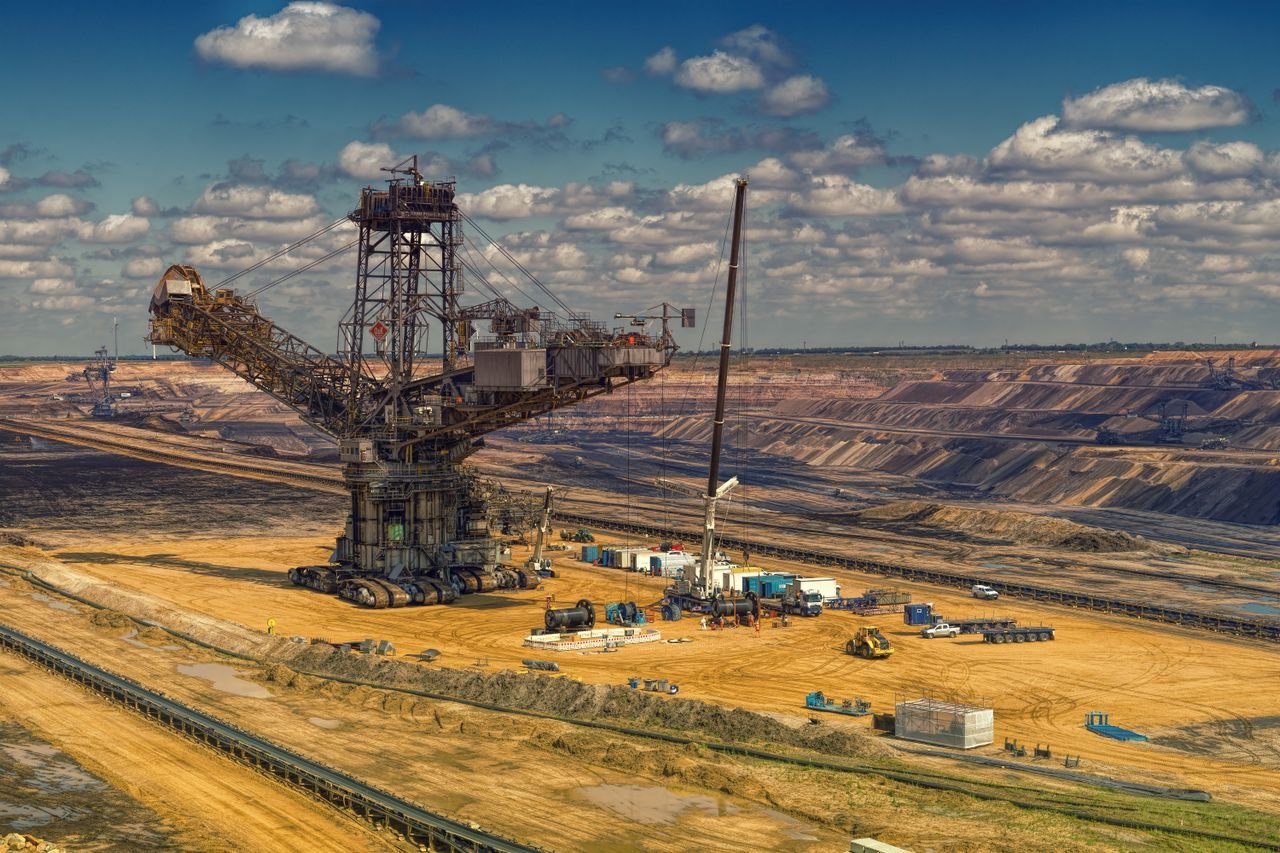
Surface mining is generally suitable when mineral deposits occur closer to the ground. Operations remove overlying material to expose copper-bearing formations.
The selection of an extraction method depends on geological characteristics, technical feasibility, and environmental considerations.
Why Copper Matters for Infrastructure
Copper possesses several properties that make it valuable for modern construction and electrical applications.
Its electrical conductivity supports power transmission and distribution. Its thermal conductivity contributes to efficient heat transfer, while its durability makes it suitable for demanding operating environments.
Copper mining therefore contributes to the availability of a resource used throughout essential infrastructure.
Supporting Electrical Networks
Electrical networks require conductive materials capable of carrying current efficiently. Copper helps meet these requirements in numerous applications.
As electricity infrastructure expands and existing systems undergo modernization, dependable access to copper resources remains an important consideration.
Contributing to Transportation Development
Transportation infrastructure also depends on copper-containing components. Electrical connections, signaling systems, and equipment rely on materials that perform consistently.
The relationship between copper mining and transportation illustrates how mineral resources support broader industrial activities.
Environmental Responsibility in Copper Mining
Responsible mineral development requires attention to surrounding ecosystems and communities.
Water management, waste handling, land disturbance, and environmental monitoring are important considerations throughout a mining operation.
Modern planning increasingly emphasizes identifying potential impacts before extraction begins.
Water and Land Management
Water management systems help control runoff and reduce the potential movement of contaminants.
Land management plans address vegetation, soil stability, and the rehabilitation of disturbed areas.
These measures require continuous assessment rather than relying solely on initial planning.
Technology and Operational Improvement
Advances in geological modeling, equipment monitoring, and automated systems continue to influence copper mining.
Digital tools can improve understanding of underground conditions, while monitoring technologies help identify operational problems earlier.
However, technology does not eliminate the need for skilled workers, sound engineering, and regulatory oversight.
Conclusion
Copper Mining remains closely connected to infrastructure development and the availability of essential industrial materials. From geological exploration to environmental management, every stage requires informed decisions and careful planning.
Understanding these processes helps explain how copper resources contribute to modern infrastructure while highlighting the importance of responsible extraction, operational safety, and long-term environmental stewardship.
READ ALSO: SEO for AI: How Businesses Can Adapt Their Content for Intelligent Search
