
A week of unusually hot weather might seem like a minor inconvenience until your electricity bill arrives. Then your refrigerator starts struggling to stay cool, your grocery spending increases, and you find yourself paying for things that weren’t part of your monthly budget.
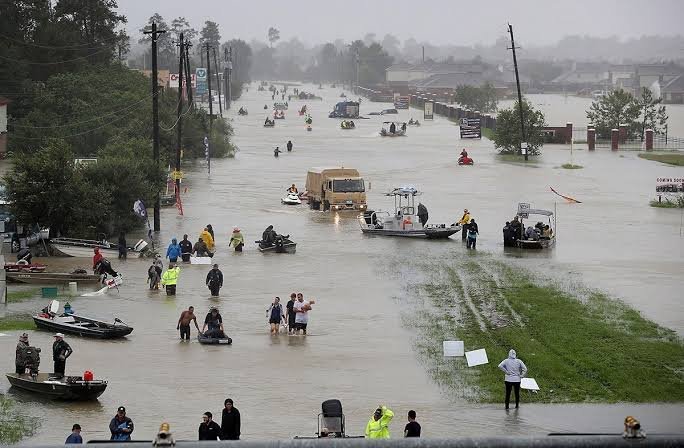
Or perhaps a severe storm passes through your neighborhood. Your house escapes major damage, but you still spend money replacing spoiled food, buying emergency supplies, and traveling a different route to work.
Extreme weather doesn’t have to destroy property to become expensive.
Heat waves, winter storms, heavy rainfall, flooding, and other severe weather events can affect household finances through higher utility bills, food costs, transportation expenses, home maintenance, lost income, and unexpected purchases.
Some expenses appear immediately. Others don’t become obvious until weeks or months later.
Understanding these less visible costs can help households prepare more effectively, make informed spending decisions, and avoid turning a temporary weather disruption into a longer-term financial problem.
Your Electricity Bill Can Rise Even When Your Daily Routine Doesn’t Change
Heating and cooling costs are among the most noticeable ways extreme weather affects household budgets.
During a heat wave, an air conditioner may run longer to maintain a comfortable indoor temperature. During unusually cold weather, electric heating equipment may consume more energy than it would under milder conditions.
You don’t necessarily need to change your thermostat settings for consumption to increase.
The greater the temperature difference between indoors and outdoors, the harder some heating and cooling systems may need to work to maintain the desired temperature.
For example, imagine a household that normally uses 900 kilowatt-hours (kWh) of electricity per month.
During an exceptionally hot month, consumption increases to 1,200 kWh because of additional cooling demand.
At an illustrative energy rate of $0.15 per kWh, the energy portion of the bill would change from $135 to $180.
That’s an additional $45 before other applicable charges.
Actual bills depend on electricity prices, rate structures, equipment efficiency, and household usage.
Electricity Prices Can Complicate the Picture
Higher consumption isn’t the only factor that can affect a utility bill.
Depending on the electricity market and contract, households may have fixed-rate plans, variable-rate arrangements, time-of-use pricing, or other billing structures.
For example, Texas residents reviewing texas power plans may want to examine how energy charges, usage levels, contract terms, and other fees influence their bills during periods of heavy heating or cooling demand.
A plan that appears affordable during mild weather may produce a very different total bill when consumption increases.
Understanding the rate structure helps households distinguish between higher energy use and changes in the price they pay for electricity.
Extreme Temperatures Can Put Extra Pressure on Household Appliances
Most people associate weather-related electricity costs with air conditioning or heating.
However, other appliances may also work harder under certain conditions.
Refrigerators and freezers, for example, release heat into their surroundings as part of the cooling process.
When the surrounding environment becomes unusually warm, some units may need to operate longer to maintain safe internal temperatures.
This can be particularly relevant for appliances located in hot garages or poorly ventilated spaces.
High temperatures may also expose existing maintenance problems, such as dirty condenser coils, worn door seals, or inadequate ventilation around appliances.
Small Equipment Problems Can Become Bigger Expenses
Consider a refrigerator that has been operating with a damaged door seal.
During mild weather, the problem might not be immediately obvious.
But when the surrounding temperature rises, the appliance may struggle more noticeably to maintain its set temperature.
That could lead to higher electricity consumption, service costs, or food spoilage if safe storage temperatures aren’t maintained.
The same general principle applies to other household systems.
Extreme conditions can expose weaknesses in equipment that was already aging or poorly maintained.
Regular inspections and maintenance may help identify problems before severe weather makes them more disruptive.
Grocery Costs Can Increase in More Than One Way
Weather can affect grocery spending through both household disruptions and wider supply-chain problems.
Severe storms, flooding, droughts, and extreme temperatures may interfere with agricultural production, transportation, storage, or distribution.
When supplies become limited or delivery costs increase, certain food prices may rise.
The impact depends on the type of weather event, the affected region, and how markets respond.
Not every storm causes noticeable grocery inflation, and price changes may reflect several factors beyond weather.
Still, households can feel the effects when commonly purchased items become more expensive or temporarily unavailable.
Power Outages Can Turn Stored Food Into a Financial Loss
A prolonged electricity outage can create a more immediate expense: spoiled groceries.
Imagine a household that recently spent $180 stocking its refrigerator and freezer.
If a lengthy outage makes some of that food unsafe to eat, the family may need to replace it sooner than expected.
That expense comes on top of any emergency meals or supplies purchased during the disruption.
Food safety should take priority over avoiding waste.
The U.S. Food and Drug Administration provides guidance on food and water safety during power outages and floods, including recommendations for keeping refrigerator and freezer doors closed to preserve safe temperatures. According to the FDA, an unopened refrigerator can generally keep food cold for about four hours, while a full freezer can maintain its temperature for approximately 48 hours if the door remains closed. These precautions can help households protect their groceries and make safer decisions about food after an outage.
Following appropriate food safety guidance can help households avoid unnecessary waste without taking risks with potentially unsafe food.
Transportation Costs Can Rise After Heavy Rain, Snow, or Flooding
Severe weather can make everyday transportation more expensive even when your vehicle isn’t damaged.
Road closures may require longer routes to work, school, or essential appointments.
Heavy traffic caused by storms can increase travel time and, depending on the vehicle and conditions, fuel consumption.
Public transportation interruptions may also force commuters to use more expensive alternatives.
For example, a worker who normally takes a low-cost bus route might need to arrange a taxi or rideshare service when the route is temporarily unavailable.
One unexpected trip may be manageable.
Several days of disrupted transportation can place additional pressure on a tight budget.
Vehicle Repairs Are Another Potential Expense
Floodwater, road debris, potholes, and other hazardous conditions can damage vehicles.
Even relatively minor problems may require inspections or repairs.
Driving through flooded roads is particularly dangerous and should be avoided.
If severe weather makes travel unsafe, delaying a trip may be the better decision whenever possible.
Planning alternative routes, keeping vehicles properly maintained, and allowing extra travel time can help reduce certain avoidable expenses.
However, safety should always come before saving money on transportation.
Minor Home Damage Can Lead to Expensive Repairs Later
Extreme weather doesn’t always cause dramatic, visible property damage.
Sometimes the first signs are subtle.
A small roof leak may appear after heavy rainfall. Strong winds might loosen exterior materials. Water could enter through poorly sealed windows or doors.
These problems may seem manageable at first, particularly if the damage affects only a small area.
But moisture that remains trapped inside building materials can contribute to deterioration and mold growth.
A repair that might have been relatively straightforward soon after a storm could become more complicated if the underlying problem remains unresolved.
Inspect Your Home After Severe Weather
Once conditions are safe, check accessible areas for signs of damage.
Look for water stains, damp surfaces, damaged exterior seals, or unusual moisture around windows and ceilings.
Document visible problems with photographs and keep receipts for necessary repairs.
Avoid climbing onto roofs, entering flooded areas with electrical hazards, or handling damaged wiring.
Qualified professionals should assess potentially dangerous structural, electrical, or major water damage.
Preventive maintenance may also reduce certain risks.
Keeping drainage systems clear, addressing known roof problems, and maintaining appropriate exterior seals can help protect a home, although no preparation can prevent every type of weather-related damage.
Insurance Costs and Deductibles Can Affect Your Budget
Homeowners and renters may assume insurance will cover most expenses after a severe weather event.
However, coverage depends on the policy, the cause of damage, exclusions, limits, and applicable deductibles.
Certain hazards, such as flooding, may require separate coverage rather than being included in a standard homeowners policy.
Even when a claim is covered, the household may need to pay a deductible.
For example, suppose a covered weather event causes $4,000 in eligible damage and the policy has a $1,000 applicable deductible.
The homeowner may be responsible for the first $1,000, subject to the policy’s terms and claim determination.
Some policies use percentage-based deductibles for particular weather-related hazards, which can produce different out-of-pocket amounts.
Review Coverage Before You Need It
Check which weather-related events your policy covers and whether separate coverage is needed for risks relevant to your location.
Pay attention to deductibles, coverage limits, exclusions, and documentation requirements.
Renters should also understand the difference between a landlord’s property insurance and coverage for their own belongings.
Keeping an updated inventory of valuable possessions can make it easier to document losses if damage occurs.
Insurance can help manage financial risk, but it doesn’t eliminate every potential expense associated with severe weather.
Lost Work Hours Can Be More Expensive Than Property Damage
One of the less obvious financial effects of extreme weather is lost income.
A storm may prevent someone from traveling to work. A power outage could interrupt a home-based business. School closures may require a parent to stay home with children.
For hourly workers, missed shifts can directly reduce earnings if paid leave or other compensation isn’t available.
Self-employed workers may also lose income when weather disrupts appointments, deliveries, or customer demand.
Consider someone earning $18 per hour who misses two eight-hour shifts.
That represents $288 in gross wages that may not be earned, depending on their employment arrangements.
For a household with limited financial flexibility, that loss can affect the ability to cover rent, groceries, or other essential bills.
Prepare for Income Interruptions, Not Just Emergency Purchases
Emergency planning often focuses on bottled water, batteries, and other supplies.
Those items are important, but households should also consider how they would manage a temporary reduction in income.
Review available paid leave, workplace emergency policies, and any options for remote work when appropriate.
Self-employed households may benefit from maintaining backup communication methods and identifying tasks that can continue during limited disruptions.
Building even a modest financial reserve can help, although the amount each household can realistically save will vary.
Emergency Shopping Can Become More Expensive Than Expected
When a major storm is approaching, households may rush to purchase supplies.
Common purchases include drinking water, shelf-stable food, batteries, flashlights, medications, and other essentials.
Some families may also need temporary accommodations, transportation, or additional childcare.
These costs can accumulate quickly, especially when purchases are made under time pressure.
For example, a household might spend $70 on emergency food and supplies, $100 on temporary transportation, and $150 on an unexpected overnight stay.
That’s $320 in additional spending before accounting for lost income or property repairs.
These figures are illustrative, but they show how several smaller expenses can affect a monthly budget.
Prepare Gradually Instead of Buying Everything at Once
Building an emergency supply kit over time can make preparation more manageable.
Start with items your household genuinely needs, taking into account family members, medications, pets, and local hazards.
Check expiration dates and replace supplies as necessary.
Avoid buying equipment you don’t know how to use safely.
Generators, for example, require strict precautions because improper use can cause carbon monoxide poisoning, fire, or electrical hazards.
Planning ahead may reduce last-minute purchases, but emergency preparation should remain appropriate to your household’s needs and resources.
Water Bills and Outdoor Maintenance Can Change With the Weather
Electricity isn’t the only utility affected by extreme conditions.
During prolonged hot or dry periods, households may use more water for landscaping or other outdoor needs, where permitted.
Some plants may require additional watering, while lawns and gardens may suffer damage during droughts or extreme temperatures.
At the opposite end, heavy rainfall can create drainage problems or damage outdoor structures.
Homeowners may need to repair fences, remove fallen branches, clear debris, or address erosion.
These expenses may not appear in a typical monthly budget because they don’t occur regularly.
Choose Maintenance Based on Your Local Conditions
Rather than responding to every weather event with expensive improvements, focus on problems your property is most likely to experience.
For example, households in hot, dry climates may benefit from reviewing irrigation practices and choosing landscaping suited to local conditions.
Properties prone to heavy rainfall may require attention to drainage and water movement around the foundation.
Renters should clarify which maintenance responsibilities belong to the property owner before arranging repairs or modifications.
The most useful improvements are those that address genuine risks rather than hypothetical problems unlikely to affect the property.
How to Build a Household Budget That Accounts for Extreme Weather
Weather-related expenses are difficult to predict precisely.
You may know that summer usually brings higher cooling bills, but you can’t always predict an unusually intense heat wave or a severe storm.
A practical household budget should therefore distinguish between seasonal expenses and unexpected emergencies.
Plan for Predictable Seasonal Changes
Start by reviewing utility bills from previous years.
Identify months when electricity, gas, or water expenses are typically higher.
Suppose your electricity bill averages $120 during mild months but reaches $200 during the hottest part of the year.
Instead of treating the $80 difference as a surprise, you can plan for it as a seasonal expense.
If your budget allows, setting aside a small amount during lower-cost months may help manage those predictable increases.
Keep Emergency Savings Separate From Routine Bills
A seasonal utility budget and an emergency fund serve different purposes.
Seasonal budgeting helps cover expenses you reasonably expect.
Emergency savings can help with unexpected repairs, temporary accommodation, transportation disruptions, or lost income.
The amount needed depends on household income, expenses, insurance coverage, and local risks.
If saving several months of expenses feels unrealistic, start with a smaller, achievable target.
Consistency matters more than choosing an ambitious amount that your budget cannot support.
Compare the Cost of Prevention With the Cost of Repairs
Not every preventive purchase is worthwhile.
A costly home upgrade may provide limited benefit if it addresses a problem your property is unlikely to experience.
On the other hand, repairing a known roof leak or replacing damaged weatherstripping may help prevent recurring problems.
Before spending money, consider the likelihood of the problem, the potential consequences, and whether a lower-cost solution is available.
This approach helps prioritize maintenance without turning weather preparation into another source of unnecessary spending.
Frequently Asked Questions About Extreme Weather and Household Expenses
Why does my electricity bill increase so much during extreme heat?
Air conditioning systems may need to operate longer when outdoor temperatures rise, increasing electricity consumption. Poor insulation, air leaks, thermostat settings, and equipment efficiency can also influence cooling costs. Your electricity plan and billing structure determine how additional usage affects the total bill.
Can homeowners insurance cover food spoiled during a power outage?
Some homeowners or renters insurance policies may provide limited coverage for food spoilage under certain circumstances, but exclusions, deductibles, and coverage limits vary. Review your policy or ask your insurer whether food spoilage is covered and what conditions apply.
How much emergency money should a household keep for severe weather?
There isn’t one amount that works for everyone. Consider your essential monthly expenses, potential insurance deductibles, local weather risks, and the possibility of lost income. A smaller emergency reserve can still be useful while you gradually work toward a larger financial cushion.
What should I prioritize if I can’t afford major weatherproofing upgrades?
Start with affordable actions that address known problems, such as repairing minor leaks, maintaining heating and cooling equipment, checking door and window seals, and preparing essential emergency supplies. Prioritize safety-related repairs and avoid spending on upgrades without understanding the risks they address.
Weather Preparation Is Also Financial Preparation
Extreme weather can affect a household budget long after the forecast improves.
A higher utility bill may be followed by grocery replacement costs, missed work, vehicle repairs, or home maintenance expenses that weren’t part of the original monthly plan.
You can’t control the weather, and preparing for every possible event would be expensive and unrealistic.
What you can do is identify the risks most relevant to your household, plan for predictable seasonal costs, and build some flexibility for unexpected disruptions.
A weather-ready budget isn’t one that anticipates every expense. It’s one that gives your household more room to respond when ordinary routines become unexpectedly expensive.
