
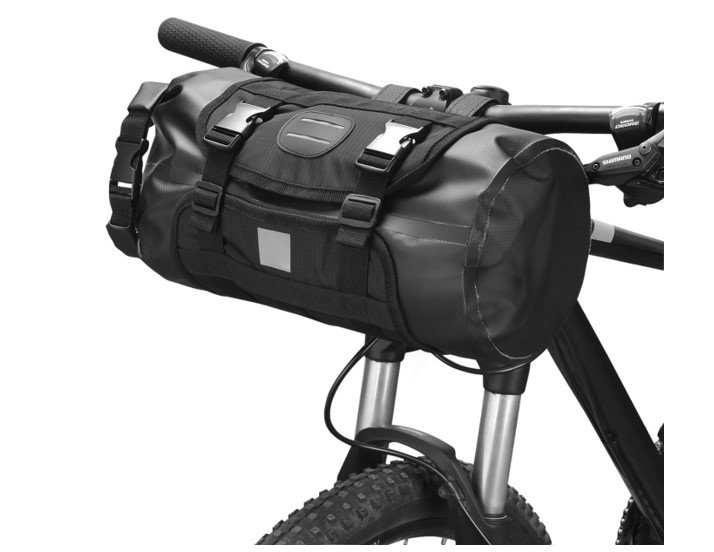
A useful bicycle luggage setup starts with the moments when you need something: your keys at the station, a jacket before a shower or a snack halfway up a climb. A Bicycle Handlebar Bag can keep these smaller essentials conveniently positioned, but choosing storage involves more than finding an empty space on your bike. The aim is to carry what your journey requires without creating awkward handling, obstructed controls or unnecessary unpacking. With some planning, the same bicycle can serve weekday errands and weekend adventures.
Plan Around the Journey, Not the Bag
Start by thinking through a typical day rather than browsing luggage sizes. Where will you stop? What must stay dry? Will you carry your belongings upstairs, onto a train or through an office reception? These details reveal which features will actually help.
A commuter carrying lunch and clothing has different priorities from someone taking tools and food on a countryside loop. Write down your regular load, then separate occasional extras. This prevents buying excessive capacity that encourages unnecessary packing. It also highlights belongings that deserve their own compartment, such as damp clothing or a work laptop.
Divide Your Belongings by Access
Packing becomes easier when you organise items according to when you need them. Think in three groups: things used while stopped briefly, things needed at your destination and equipment carried for unexpected problems.
Your phone, wallet, snacks and lightweight gloves belong somewhere convenient. Office clothing can sit deeper inside your luggage because you will not need it halfway through the journey. Repair equipment should remain accessible without emptying everything onto a wet pavement.
This approach also makes forgotten items easier to spot. When every category has a familiar place, packing becomes a repeatable routine rather than a daily guessing game.
Keep the Cockpit Clear and Comfortable
The space around your handlebars already accommodates brake levers, gear controls, cables, lights and possibly a cycling computer. Any additional luggage must work around these components without affecting their operation.
Before fitting a front bag, turn the handlebars fully in both directions. Check that cables move freely and nothing presses against a brake hose or pulls on a wire. Make sure your hands can reach every normal riding position comfortably.
Leave adequate space above the front tyre and check whether the bag blocks your headlight. A compact shape may work better than a larger option squeezed into an unsuitable gap.
Give Bulky Loads a Better Home
Shoes, groceries and spare clothing quickly exceed the practical capacity of smaller bags. At this point, spreading luggage across suitable mounting positions becomes more useful than forcing everything into one compartment.
Rear rack luggage can accommodate bulkier belongings while keeping your back free. However, the rack, attachments and bicycle must be compatible with the intended load. Check the relevant manufacturer limits before packing.
Consider the shape of your belongings as well as their weight. A rigid lunch container needs different space from a compressible jacket. Grouping awkward objects thoughtfully helps avoid bulging sides, strained closures and difficult removal.
Prepare for Rain Before It Arrives
Keeping belongings dry starts before the first shower. Inspect the opening, seams and attachment points, and follow the closure instructions carefully. A waterproof material alone does not explain how the complete bag performs.
Roll closures need enough spare material to close correctly. Zips may require protective covers, depending on the design. Avoid packing so tightly that the opening cannot seal as intended.
Place sensitive belongings inside separate protective liners when appropriate. This also helps organise your load. Keeping a dry change of clothing apart from a wet jacket prevents one damp item affecting everything else after the rain has stopped.
Make Weight Distribution Part of Packing
A bicycle can feel noticeably different once luggage is added. Heavy items placed high or allowed to shift may make the load harder to manage, particularly when starting, stopping or manoeuvring slowly.
Keep dense objects low where the bag design permits and secure them against movement. If you use luggage on both sides of a rack, distribute the contents reasonably evenly.
Remember that balance changes during the day. Carrying groceries home creates a different load from riding to the shop with empty bags. Recheck the arrangement whenever you add something substantial rather than assuming the original setup still works.
Choose Details That Improve Daily Use
Small design choices become significant when repeated twice a day. A release mechanism that works easily with cold fingers can save frustration. A comfortable carrying handle matters when your destination has stairs.
Look at the interior too. Pale linings can make small objects easier to find, while a separate pocket may stop keys scratching other belongings. Removable organisers can be useful if you switch between work and leisure loads.
Cleaning deserves consideration as well. Bags used throughout winter collect road spray and dirt. Straightforward surfaces and accessible corners make routine care less troublesome than complicated folds and inaccessible compartments.
Test the Setup Close to Home
Your first fully loaded ride should be familiar and manageable. Choose a short local route where you can stop safely to adjust straps, redistribute weight or investigate an unexpected noise.
Check heel clearance, steering movement and the security of every attachment. Ride over ordinary surface changes and listen for rattling. Afterwards, inspect the mounting points again.
Repeat this check when changing bicycles or carrying an unfamiliar load. Equipment that fits one frame may sit differently on another. Spending a few minutes testing nearby is considerably easier than discovering an attachment problem several miles into a planned day out.
Build a Routine You Can Repeat
Reliable storage makes cycling easier to fit into ordinary life. Keep essentials in familiar places, check attachments before leaving and adapt capacity to the journey ahead. Front storage can serve frequent stops, while Cycle Panniers can provide additional room for commuting supplies, shopping or longer outings. The best arrangement is one you can pack consistently, carry comfortably and trust throughout the ride, leaving your attention free for the road and the journey itself.
