
Introduction
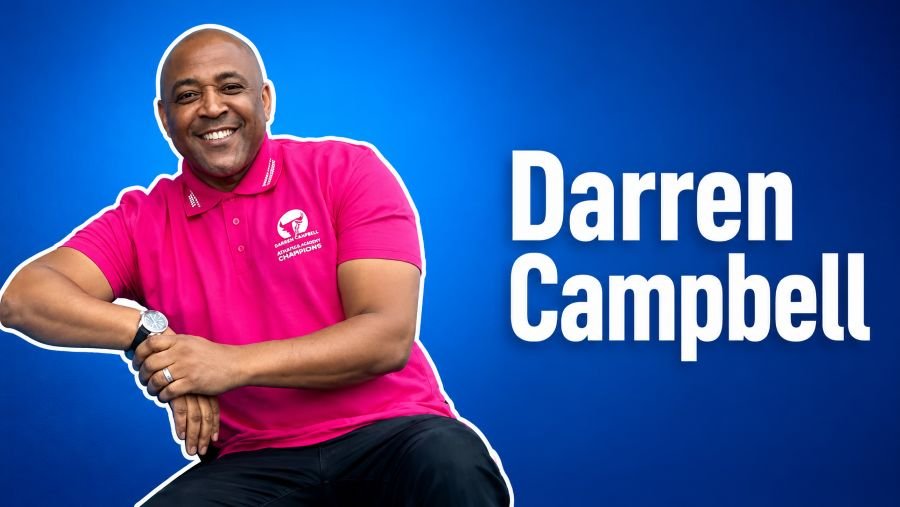
Darren Campbell is a British former sprint athlete, Olympic gold medallist, coach, author, broadcaster, and sports performance figure. He is best known for his achievements in the 100 metres, 200 metres, and 4×100 metres relay, where he represented Great Britain and became one of the most respected sprint names of his generation.
Darren Campbell is famous for winning Olympic silver in the 200m at Sydney 2000 and Olympic gold in the 4×100m relay at Athens 2004. His full name is Darren Andrew Campbell, and he is commonly known in sport and media simply as Darren Campbell. His career story is not only about speed, but also about discipline, setbacks, recovery, leadership, and long-term influence in British athletics.
Quick Bio
| Field | Details |
|---|---|
| Full Name | Darren Andrew Campbell |
| Known As | Darren Campbell |
| Honour | MBE |
| Gender | Male |
| Date of Birth | 12 September 1973 |
| Age | 52 years old as of 2026 |
| Birthplace | Sale, England |
| Nationality | British |
| Profession | Former sprinter, coach, author, broadcaster, speaker |
| Sport | Athletics |
| Main Events | 100m, 200m, 4×100m relay |
| Club | Sale Harriers, Manchester |
| Famous For | Olympic 200m silver and Olympic 4×100m relay gold |
| 100m Personal Best | 10.04 seconds |
| 200m Personal Best | 20.13 seconds |
| Major Honour | Olympic gold medallist and Olympic silver medallist |
A complete look at Darren Campbell’s life, sprint career, Olympic medals, coaching work, and public legacy as a respected British athlete.
Early Life and Background
Darren Campbell was born on 12 September 1973 in Sale, England, and grew up with strong links to the Manchester area. His early life has often been described as challenging, but it also shaped the determination and mental strength that later became part of his public image.
He grew up during a period when sport offered discipline, direction, and a clear route away from negative influences. Athletics gave him structure at an early age. His natural speed became visible in childhood, and he later developed that talent through club athletics and competitive sprinting.
Education or Training
Publicly verified details about Darren Campbell’s formal school or college education are limited. Because reliable sources do not clearly confirm his school, college, degree, or academic qualifications, those details should not be added as facts.
His verified training background is connected strongly with sprinting and Sale Harriers. As a young athlete, he developed through competitive athletics and became known for his ability in short sprint events. His training later focused on explosive speed, acceleration, relay technique, and race execution.
Family Background and Personal Life
Darren Campbell’s mother, Marva, has been publicly mentioned as an important figure in his life. She encouraged him during his childhood and supported his belief that sport could become a meaningful path. Her influence is often connected with his confidence and resilience.
He has kept many personal details away from public discussion. This article does not include unverified details about his wider family, private relationships, or children’s names. That approach keeps the biography accurate, respectful, and focused on confirmed public information.
Career Start
Darren Campbell first became widely known as an outstanding junior sprinter. In the early 1990s, he showed major promise in European and world junior athletics. His speed over both 100m and 200m made him one of Britain’s most exciting young sprint prospects.
His early career was not smooth. Injuries and difficult experiences affected his progress, and he stepped away from athletics for a period during his young adult years. That break became one of the major turning points in his life, because he later returned with renewed focus and built a senior career that reached Olympic level.
Career Timeline
1973: Birth
Darren Campbell was born on 12 September 1973 in Sale, England. He later became closely associated with Manchester and Sale Harriers.
1991: Junior Sprint Success
He won both sprint events at the European Junior Championships. This marked him as one of the leading young sprint athletes in Europe.
1992: World Junior Recognition
He continued to perform strongly at junior level and competed against top international sprint talent. His early promise showed that he could compete beyond the domestic scene.
Mid-1990s: Career Interruption and Return
Campbell stepped away from athletics for a period after injuries and personal disillusionment. He later returned to the sport and rebuilt his career with a stronger professional focus.
1998: European Breakthrough
He won the European 100m title and helped Great Britain achieve relay success. This period confirmed him as a major senior British athlete.
2000: Olympic Silver in Sydney
Darren Campbell won silver in the men’s 200m at the Sydney Olympic Games. This became one of the defining individual achievements of his career.
2002: Commonwealth and European Success
He continued to win major medals in relay and sprint competition. His performances helped strengthen Britain’s sprint reputation during the early 2000s.
2003: World Championship Medal
He won a bronze medal in the 100m at the World Championships. This result showed his ability to compete at the highest level in individual sprinting.
2004: Olympic Gold in Athens
Campbell won Olympic gold in the men’s 4×100m relay with Jason Gardener, Marlon Devonish, and Mark Lewis-Francis. The British team defeated the United States in a memorable final.
2006: Retirement from Athletics
He retired from competitive athletics after a career filled with Olympic, European, Commonwealth, and World Championship success.
2021: British Athletics Role
British Athletics appointed him to a sprint and relay leadership role. This moved him into a key coaching and performance position within the sport.
2024: Feldspar Appointment
He became Global Track Strategy Director at Feldspar, connecting his sprint knowledge with technology and innovation in athletics.
Why Darren Campbell Is Famous
Darren Campbell is famous because he won Olympic silver in the 200m at Sydney 2000 and Olympic gold in the 4×100m relay at Athens 2004. He is also known as a British athlete who turned early setbacks into a long career of medals, coaching, and public influence.
His fame is not based on one race alone. He built a career across individual sprinting, relay teamwork, coaching, broadcasting, writing, and sports leadership. That wider contribution has helped keep his name relevant after retirement.
Major Career Achievements
Darren Campbell’s greatest individual result was winning the 200m silver medal at the Sydney Olympic Games in 2000. For a British sprinter, that was a major achievement on one of the world’s biggest sporting stages.
His most celebrated team achievement came at the 2004 Athens Olympic Games. In the men’s 4×100m relay, Campbell ran as part of a British team that produced a brilliant performance and won gold. That medal remains a major part of British Olympic sprint history.
He also achieved success at European, Commonwealth, and World Championship level. His personal bests of 10.04 seconds for 100m and 20.13 seconds for 200m show the level he reached as an elite sprinter.
Professional Style, Skills, or Public Image
As a sprinter, Darren Campbell was known for speed, competitive focus, and strong relay ability. His career covered both the 100m and 200m, which required explosive starts, top-end speed, bend running, and race control.
His public image is built around resilience and honesty. He has spoken about difficult life experiences, career setbacks, and the importance of guidance. As a coach and mentor, he is often linked with athlete welfare, discipline, and the idea that performance should include the whole person, not only race results.
Challenges, Struggles, or Balanced Career View
Darren Campbell’s career included injuries and moments of frustration. As a young athlete, these challenges contributed to his decision to step away from athletics for a time. That period could have ended his sporting journey, but instead it became part of his comeback story.
There were also wider difficulties linked to relay medals affected by other athletes’ doping cases. Campbell himself is widely associated with a strong anti-doping stance, and his career story includes clear public concern about protecting the integrity of sport. A balanced view of his career shows both medals and setbacks, but also a consistent ability to return with purpose.
Current Status or Latest Known Work
Darren Campbell remains active in sport, leadership, and performance development. His later work has included sprint and relay leadership within British Athletics and a strategic role with Feldspar, a company connected with smart track technology.
He is also known as an author, broadcaster, speaker, and youth sport supporter. Through these roles, he continues to use his experience as a British athlete to support performance, motivation, and the next generation of sports talent.
Conclusion
Darren Campbell’s biography shows the journey of a talented sprinter who became an Olympic medallist and later moved into coaching, media, writing, and sports leadership. His achievements in the 200m and 4×100m relay place him among the notable British sprint athletes of his era.
His story is also valuable because it includes more than medals. It includes early challenges, personal discipline, professional setbacks, teamwork, and a strong public message about resilience. Darren Campbell remains a respected figure in British athletics because his influence continues beyond the finish line.
People Also Ask / FAQs
Who is Darren Campbell?
He is a British former sprint athlete, Olympic gold medallist, coach, author, broadcaster, and speaker.
What is Darren Campbell famous for?
He is famous for winning Olympic silver in the 200m in 2000 and Olympic gold in the 4×100m relay in 2004.
How old is Darren Campbell?
He is 52 years old as of 2026.
What is Darren Campbell’s nationality?
He is British.
What sport did Darren Campbell compete in?
He competed in athletics, mainly in the 100m, 200m, and 4×100m relay.
What are his personal bests?
He ran 10.04 seconds in the 100m and 20.13 seconds in the 200m.
Did he become a coach after retirement?
Yes, he later worked in sprint and relay leadership roles, including with British Athletics.
What club is associated with him?
He is associated with Sale Harriers, Manchester.
